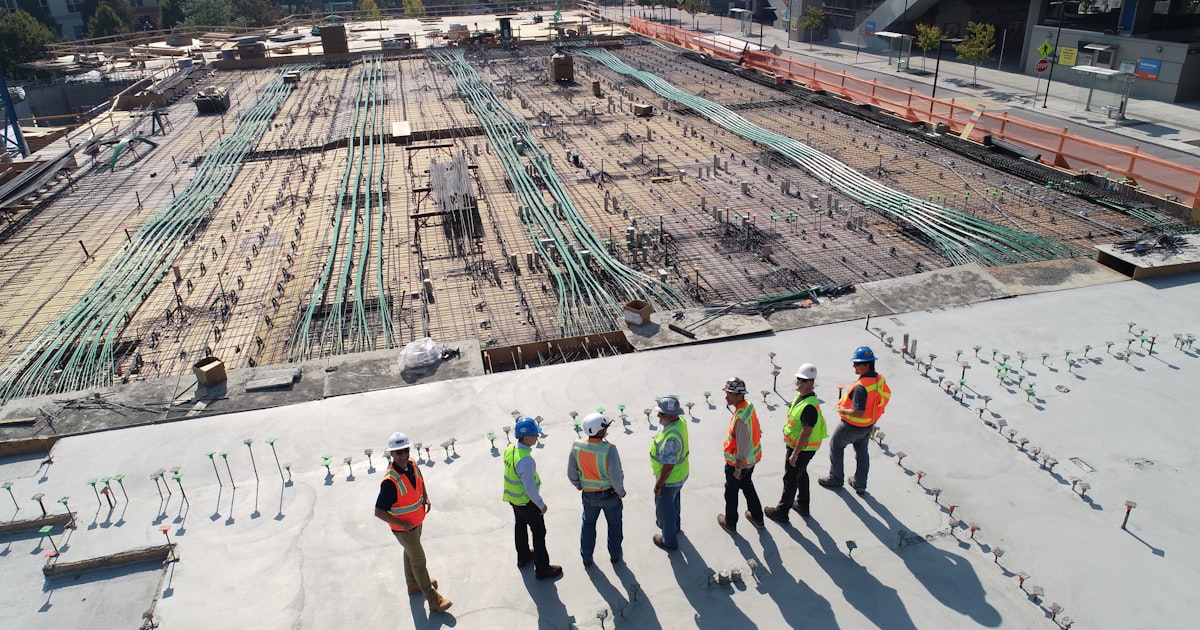
The digital twin in public administration refers to the digital copy of a real object or process, continuously fed with real-time data. Application areas include urban planning, infrastructure management, civil protection, and the simulation of administrative reforms. Municipalities use digital twins for 3D modeling of urban areas to virtually test zoning plans, traffic flows, or climate adaptation measures. At the federal level, they play a growing role in spatial planning and infrastructure management. Technically, digital twins require IoT sensor data, powerful geospatial infrastructures, BIM models, and AI-powered analytical tools, enabling evidence-based decisions and significantly reducing planning risks.
D
Digital Twin (Public Administration)
A virtual real-time representation of physical or organizational administrative objects for data-driven planning, simulation, and management.